
Dry Eye: Causes, Symptoms & Evidence-Based Treatment Options
 "Dry Eye: Causes, Symptoms & Evidence-Based Treatment Options")
Dry eye is a multifactorial condition that affects the tear film and ocular surface, leading to discomfort, fluctuating vision and, in some cases, inflammation. While many people describe it simply as “irritated eyes,” dry eye syndrome is a recognised medical condition that requires proper diagnosis and targeted management.
What Causes Dry Eye?
Dry eye generally falls into two main categories:
1. Aqueous Deficient Dry Eye
This occurs when the lacrimal glands do not produce enough of the watery component of tears. It can be associated with ageing, hormonal changes, autoimmune conditions (such as Sjögren’s syndrome) or certain medications.
2. Evaporative Dry Eye
This is the most common form and is often linked to meibomian gland dysfunction (MGD). The meibomian glands in the eyelids produce the oily layer of the tear film, which prevents tears from evaporating too quickly. When these glands become blocked or inflamed, tear stability is compromised.
Additional contributing factors include:
Prolonged screen use (reduced blink rate)
Contact lens wear
Air conditioning and low humidity environments
Previous eye surgery
Certain medications (antihistamines, antidepressants)
Common Symptoms of Dry Eye
Dry eye symptoms can vary in severity and may fluctuate throughout the day. Common signs include:
Burning or stinging sensation
Grittiness or “sand in the eye” feeling
Redness
Excessive watering (reflex tearing)
Blurred or fluctuating vision
Light sensitivity
Eye fatigue, particularly after reading or screen use
Importantly, watery eyes can still indicate dry eye. When the ocular surface becomes irritated, the body may produce reflex tears but these lack the proper oil balance and evaporate quickly.
How Dry Eye Is Diagnosed
A comprehensive eye assessment is essential to determine the underlying cause. Evaluation typically includes:
Tear film stability testing
Assessment of meibomian gland function
Ocular surface examination using a slit lamp
Measurement of tear production
Identifying whether the issue is aqueous deficiency, evaporative dry eye, or a combination of both ensures treatment is appropriately targeted.
Treatment Options for Dry Eye
Management of dry eye focuses on restoring tear film stability and reducing inflammation.
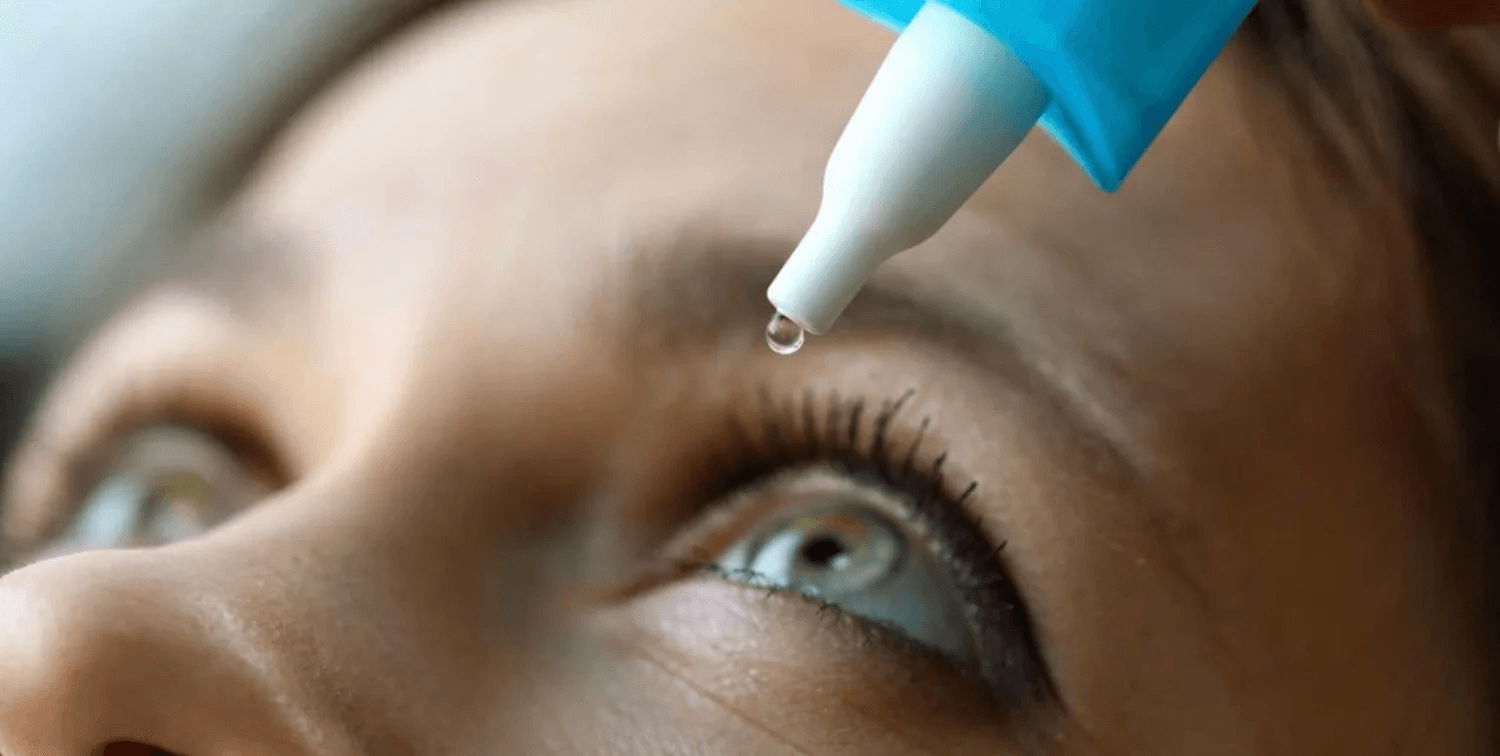
Lubricating Eye Drops: Preservative-free artificial tears can help improve surface lubrication and comfort. However, drops alone may not address underlying gland dysfunction.
Warm Compress Therapy: Regular warm compresses help soften blocked oils in the meibomian glands, improving tear quality.
Lid Hygiene: Targeted eyelid cleansing can reduce inflammation and bacterial build-up along the lid margin.
In-Clinic Therapies: For moderate to severe dry eye, advanced treatments may be recommended to improve gland function and reduce chronic inflammation.
When to Seek Professional Advice
Persistent dry-eye should not be ignored. Untreated, it can affect visual clarity, increase the risk of infection and impact daily comfort.
If you experience ongoing symptoms, a professional assessment can determine the cause and guide a personalised management plan.
| Tags:Dry eye |