
Pterygium Treatment: When Should You Consider Surgery?
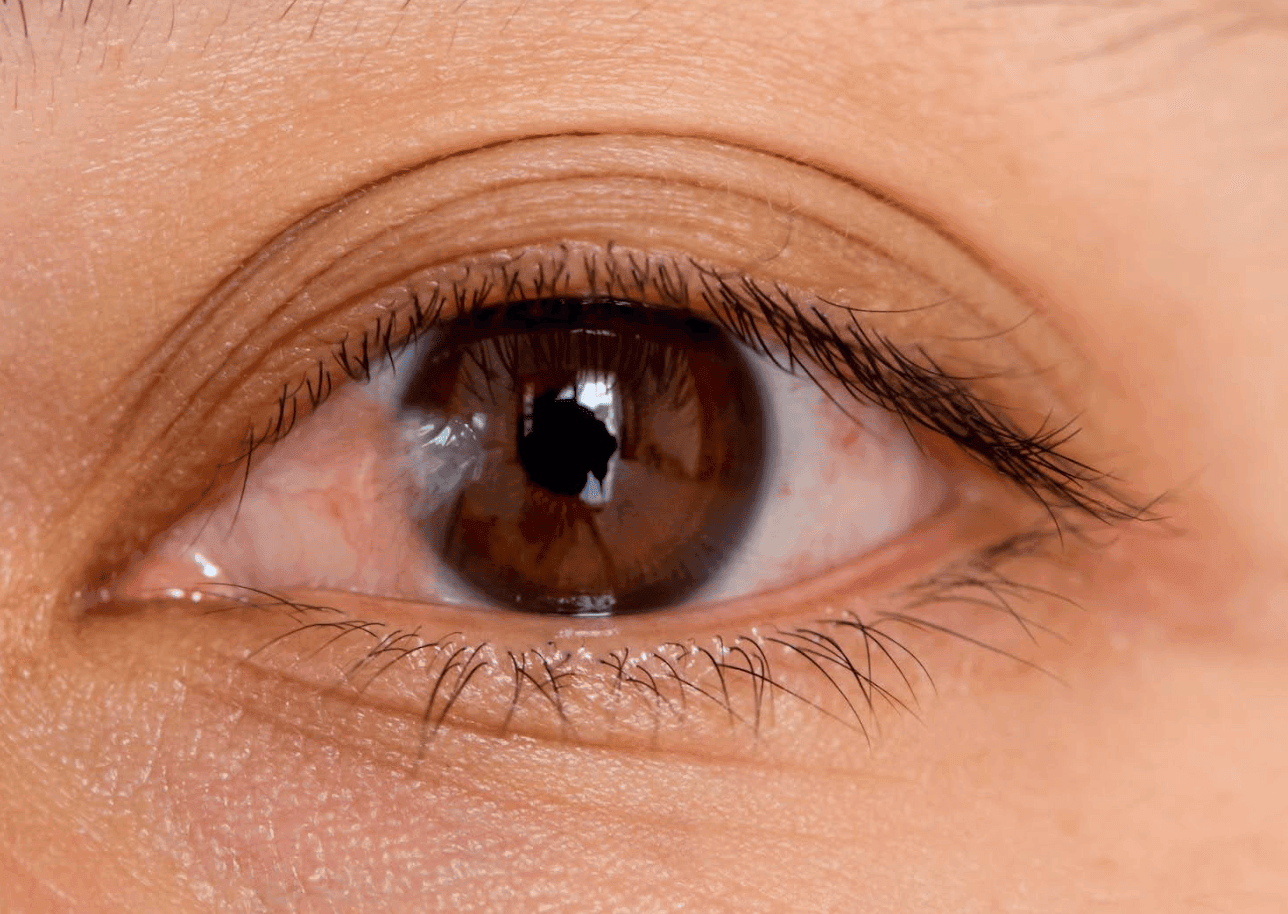
 A pterygium, often referred to as “surfer’s eye,” is a benign growth of tissue on the white of the eye that can gradually extend onto the cornea. While it may start as a cosmetic concern, a pterygium can progress and begin to affect vision, comfort and overall eye health.
One of the most common questions patients ask is: when does a pterygium actually need treatment and when is surgery recommended?
What Is a Pterygium?
A pterygium develops when the conjunctival tissue becomes thickened and grows toward the cornea. It is strongly associated with UV exposure, making it more common in people who spend extended time outdoors.
In early stages, a pterygium may appear as a small, slightly raised area on the eye and cause minimal symptoms. However, it can become more prominent over time.
When Does a Pterygium Require Treatment?
Not all pterygiums require immediate surgery. In mild cases, symptoms can often be managed conservatively.
Non-Surgical Management
For early or stable pterygiums, treatment may include:
Lubricating eye drops to reduce dryness and irritation
Anti-inflammatory drops (when clinically appropriate)
UV protection, such as sunglasses, to prevent progression
These approaches focus on symptom relief and slowing growth, rather than removing the pterygium.
Signs You May Need Pterygium Surgery
Surgical treatment is typically considered when the pterygium begins to impact vision, comfort or daily life.
You may be advised to consider surgery if:
The growth is extending toward or over the cornea
Your vision becomes blurred or distorted
You experience persistent redness or irritation
The pterygium continues to grow over time
It interferes with contact lens wear
You are concerned about its cosmetic appearance
Early intervention in progressive cases can help prevent further complications and preserve visual quality.
What Happens During Pterygium Surgery?
Pterygium surgery is a commonly performed procedure designed to remove the abnormal tissue and reduce the likelihood of recurrence.
The procedure typically involves:
Careful removal of the pterygium tissue
Placement of a conjunctival graft (healthy tissue from your eye)
Use of advanced techniques to minimise recurrence risk
Modern surgical approaches focus not only on removing the growth but also on achieving a smooth ocular surface and optimal cosmetic result.
Why Timing Matters
Delaying treatment for a progressing pterygium can lead to:
Increased distortion of the cornea (astigmatism)
More complex surgical removal
Higher impact on vision
Addressing the condition at the right time allows for a more straightforward procedure and better long-term outcomes.
When to Seek Professional Advice
If you have noticed a growth on your eye or are experiencing ongoing redness, irritation or changes in vision, it is important to have it assessed.
A comprehensive eye examination can determine the severity of the pterygium and whether monitoring or surgical treatment is the most appropriate next step.
If you are concerned, come in for a consultation at Hunter Laser Vision and let us take the stress away. We are here to help.
| Tags:Pterygium |