
What Is Glaucoma? Causes, Symptoms & Treatment Options
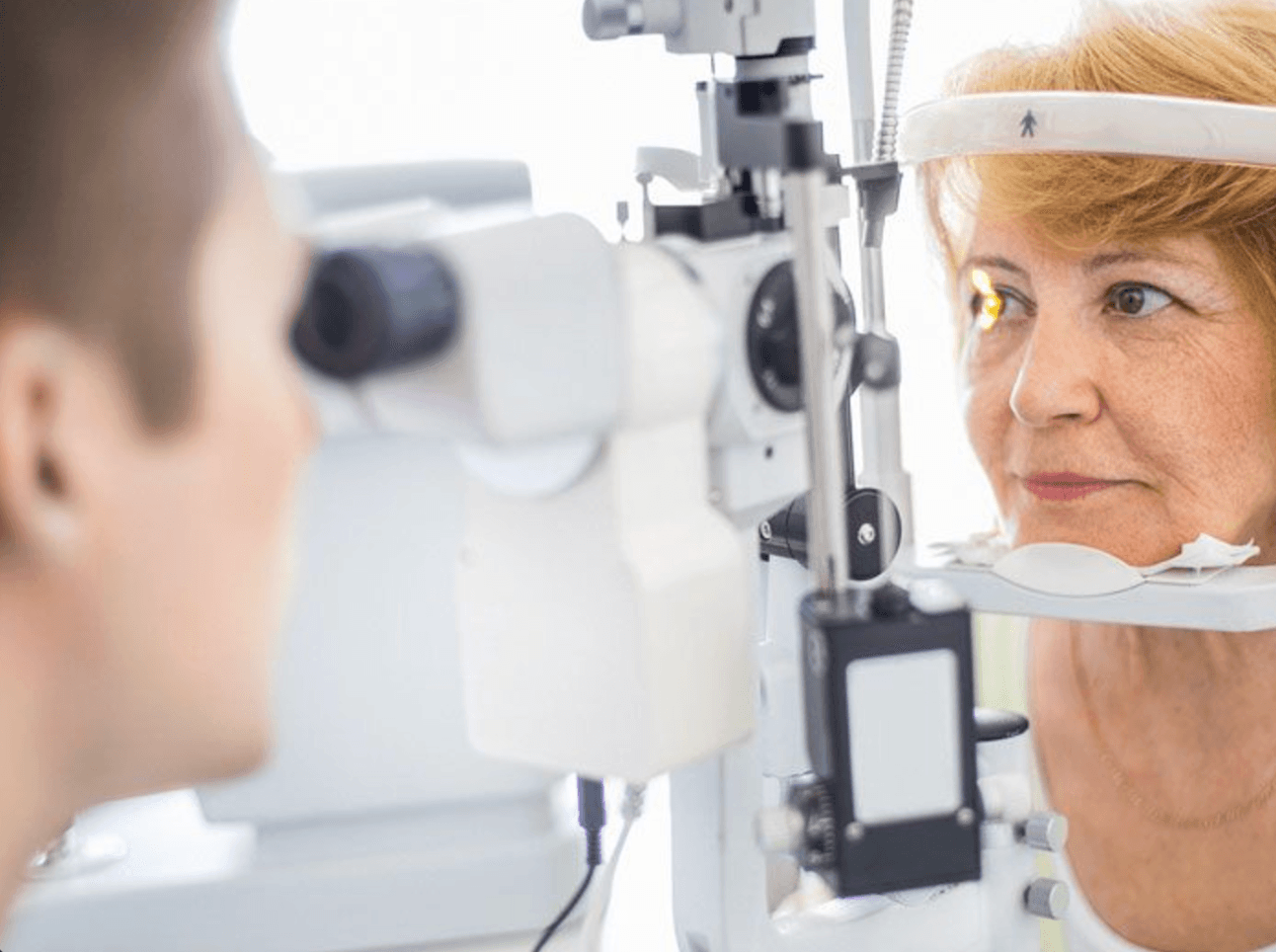
Glaucoma is a group of eye conditions that damage the optic nerve, the structure responsible for sending visual information from the eye to the brain. This damage is most commonly caused by increased pressure inside the eye, known as intraocular pressure. Glaucoma is a leading cause of irreversible vision loss worldwide, but with early detection and appropriate management, vision loss can often be slowed or prevented.
What Is Glaucoma?
Glaucoma occurs when elevated eye pressure, or impaired fluid drainage within the eye, places stress on the optic nerve. Over time, this pressure damages the nerve fibres, leading to progressive vision loss. In many cases, glaucoma develops slowly and without noticeable symptoms in its early stages, which is why regular eye examinations are critical.
The most common form is open-angle glaucoma, which progresses gradually. Less commonly, angle-closure glaucoma can occur suddenly and is considered a medical emergency.
Causes of Glaucoma
Glaucoma is usually linked to an imbalance in the production and drainage of aqueous humour, the fluid inside the eye. When this fluid cannot drain properly, pressure builds up and affects the optic nerve.
Common contributing factors include:
Increased intraocular pressure
Reduced fluid drainage within the eye
Family history of glaucoma
Age-related changes to the eye
Certain medical conditions such as diabetes or high blood pressure
Long-term use of corticosteroid medications
While elevated eye pressure is the main risk factor, it’s important to note that glaucoma can still occur in people with normal eye pressure.
Symptoms of Glaucoma
One of the most concerning aspects of glaucoma is that it often has no early symptoms, particularly in open-angle glaucoma. Vision loss typically begins in the peripheral (side) vision and may go unnoticed until the disease has progressed.
Possible symptoms include:
Gradual loss of peripheral vision
Tunnel vision in advanced stages
Blurred vision
Halos around lights
Eye pain or redness (more common in angle-closure glaucoma)
Sudden vision loss, headache, nausea or vomiting (urgent symptoms requiring immediate care)
Because symptoms often appear late, regular eye checks are the most effective way to detect glaucoma early.
How Is Glaucoma Diagnosed?
Glaucoma is diagnosed through a comprehensive eye examination, which may include:
Measurement of eye pressure (tonometry)
Examination of the optic nerve
Visual field testing to assess peripheral vision
Imaging scans to monitor optic nerve health
These tests allow eye care professionals to detect glaucoma before significant vision loss occurs.
Treatment Options for Glaucoma
Although glaucoma cannot be cured, treatment is highly effective at slowing or stopping further vision loss when started early. The goal of treatment is to lower eye pressure and protect the optic nerve.
Common treatment options include:
Medicated eye drops: Often the first line of treatment, eye drops help reduce eye pressure by either decreasing fluid production or improving drainage.
Laser treatment: Laser procedures can help improve fluid outflow from the eye and are commonly used when eye drops are not sufficient or well tolerated.
Surgical treatment: In more advanced cases, surgery may be recommended to create a new drainage pathway for fluid, reducing pressure inside the eye.
Ongoing monitoring is essential, as glaucoma management is typically lifelong. To learn more about Minimally Invasive Glaucoma Surgery (MIGS) in Australia, read the 2024 Glaucoma Update from Glaucoma Australia.
Glaucoma Surgery
Glaucoma surgery may be recommended when eye drops or laser treatment are no longer effective at controlling eye pressure. The aim of surgery is to improve fluid drainage from the eye to reduce pressure and help slow further damage to the optic nerve. While surgery cannot restore lost vision, it can be effective in preserving remaining sight.
Why Early Detection Matters
Vision loss from glaucoma is permanent, but it is also largely preventable with early diagnosis and appropriate care. Regular eye examinations are especially important if you have known risk factors or a family history of the condition. Organisations such as Glaucoma Australia emphasise that many people with glaucoma are unaware they have it until significant damage has already occurred.
Book an Eye Examination
If you have concerns about glaucoma or are due for an eye check, our team at Hunter Laser Vision can provide a comprehensive assessment using advanced diagnostic technology. Early detection is key to protecting your vision and achieving the best possible long-term outcomes.
| Tags:Glaucoma |